
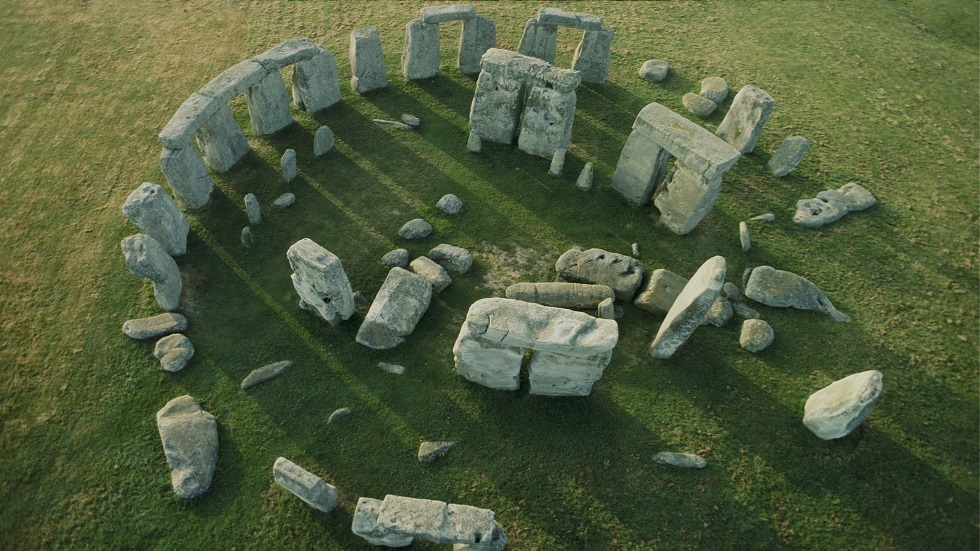
For centuries, the enigmatic megaliths of Stonehenge have defied full explanation, particularly concerning the methods used to transport its colossal stones. Now, a groundbreaking theory sheds light on how its massive Sarsen stones, weighing up to 25 tons each, were moved over significant distances to their current iconic location in Wiltshire, England.
Led by Dr. Susan Greaney, a lecturer in archaeology at the University of Exeter, in collaboration with the English Heritage team, this research challenges the long-held belief that these gigantic rocks were moved using simple sledges and wooden rollers. Instead, the new hypothesis suggests an ingenious system of "wooden tracks" – akin to ancient rail-like structures – was employed, drawing inspiration from historical stone-moving techniques observed in Indonesia.
The Sarsen stones, some reaching 25 tons, were sourced from the Marlborough Downs, approximately 24 kilometers away. Researchers propose that these immense stones were transported across pathways constructed from stacked wooden beams, especially crucial over the marshy terrains that likely formed part of the ancient route. This theory is bolstered by meticulous analysis of black-and-white photographs taken in Indonesia nearly a century ago, which depict communities moving massive rock blocks using a similar arrangement of wooden poles resembling railway tracks.
Utilizing advanced laser scanning data and the findings from archaeological excavations, the research team meticulously reconstructed the stages of Stonehenge's construction. This included not only the stone transportation and erection processes but also the social gatherings and communal efforts that accompanied such a monumental undertaking.
Scientists believe that Neolithic communities possessed sophisticated expertise in woodworking, enabling them to construct these robust trackways, which could have extended up to three miles (4.8 kilometers). The study also posits that the raising and positioning of the stones likely involved the use of rock piles and auxiliary wooden levers.
Transporting a single stone would have been an immense logistical feat, estimated to require the participation of around 150 individuals, though the researchers suggest the actual number could have been considerably higher. Evidence of large-scale communal feasting at the nearby Durrington Walls site suggests that Stonehenge's builders may have converged there during various construction phases. Dr. Greaney postulates that participation in this endeavor was not forced labor, but rather driven by a collective belief in the profound religious and spiritual significance of erecting this ancient monument.
While the focus of this theory is on the Sarsen stones, other recent studies have also contributed to unraveling Stonehenge's mysteries, such as confirming that its famous bluestones originated from Wales, refuting earlier glacial theories, and investigations by University College London scientists into ancient quarrying techniques.
This compelling new theory offers a powerful glimpse into the advanced engineering capabilities and profound social cohesion of our Neolithic ancestors, bringing us closer to understanding one of humanity's most enduring archaeological wonders situated in the fields of Wiltshire.
**الترجمة العربية (Arabic Translation):**
نظرية جديدة تكشف عن نظام مسارات خشبية مبتكر لنقل أحجار ستونهنج العملاقة
تكشف نظرية رائدة للدكتورة سوزان غريني وهيئة التراث الإنجليزي عن كيفية نقل أحجار ستونهنج السارسن الضخمة بوزن 25 طناً. بدلاً من الزلاجات، استخدم البناة القدماء على الأرجح "مسارات خشبية" بارعة، وهي تقنية تحاكي ممارسات إندونيسية تاريخية. اكتشف هذا الحل الهندسي المتقدم من العصر الحجري الحديث للغز عمره آلاف السنين، مدعوماً بمسح الليزر والبيانات الأثرية.
علم الآثار، التكنولوجيا القديمة، الاكتشافات العلمية، التاريخ
المصدر: عرض الخبر الأصلي


 مرحبا، أسمي زين وهذه مدونتي أسعى دائما لأقدم لكم أفضل المواضيع الخاصة بالتكنلوجيا
ليست هناك تعليقات:
إرسال تعليق